

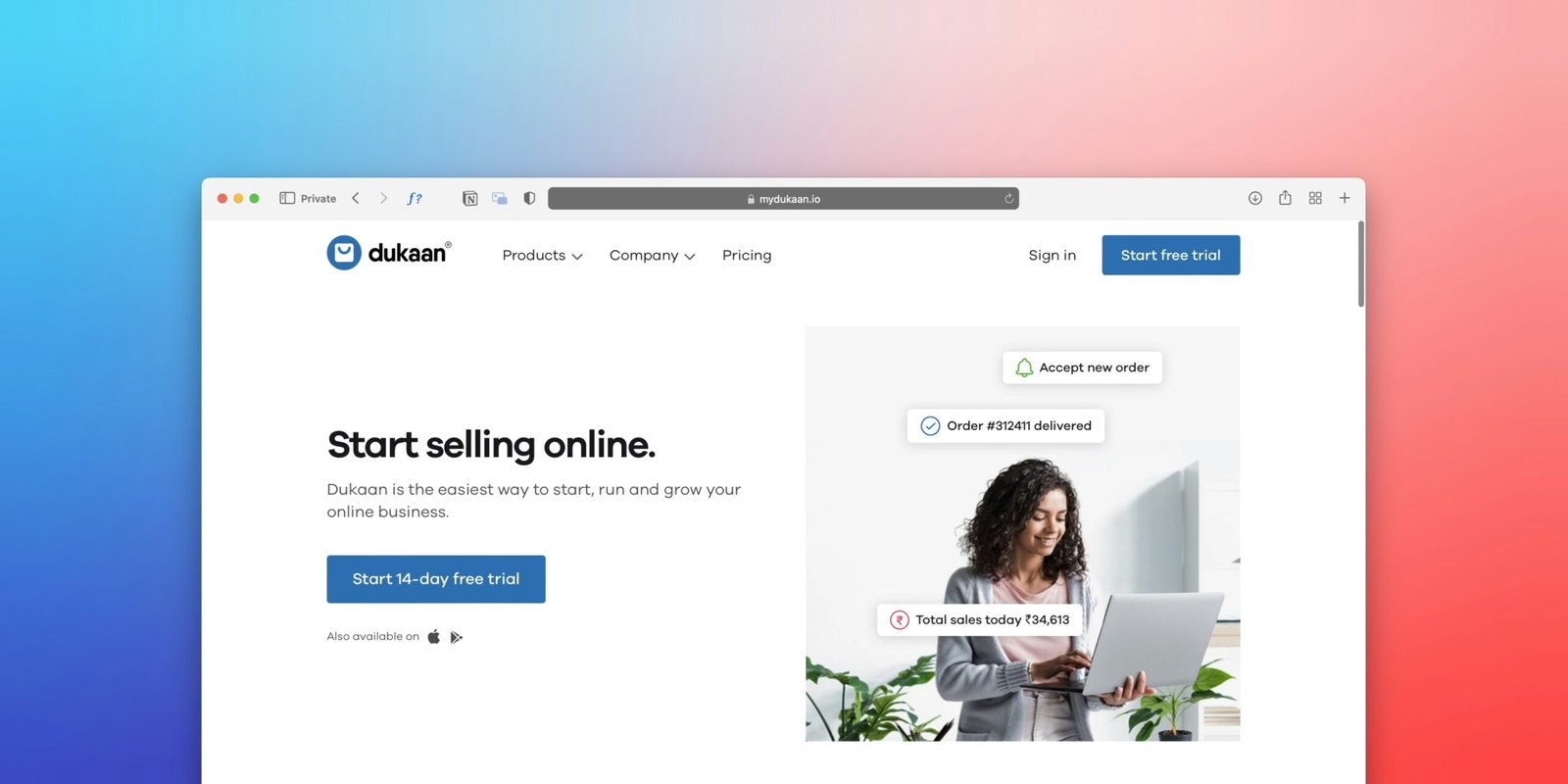
A domain name is your identifiable signature in the vast sprawl of the internet. It acts as your digital calling card, etched into the architecture of the web. Instead of using cryptic numerical IP addresses, users navigate through memorable textual labels. A domain name is not just a convenience; it is the doorway to your online existence.
Imagine attempting to recall a string like 192.168.0.1 every time you wished to visit a site. Tedious, almost impractical. Domain names dissolve that friction, translating rigid numerical codes into something far more human—fluid, pronounceable, and brandable.
The Anatomy of a Domain Name
A domain name is typically segmented into distinct parts. The most recognizable is the Top-Level Domain (TLD)—extensions such as .com, .org, or .net. Preceding it sits the second-level domain, which usually embodies the brand, idea, or identity you wish to project. Together, they form a cohesive, navigable address.
For instance, in example.com, “example” is the identity, while “.com” is the classification.
Why Domain Names Matter
A domain name is not a trivial ornament—it is the cornerstone of digital credibility. It shapes first impressions, reinforces branding, and subtly influences trust. A well-chosen domain can feel authoritative, while a poorly crafted one may appear dubious or forgettable.
Moreover, it grants ownership—an anchored presence in an otherwise transient digital ecosystem.
How to Register a Domain Name
Securing a domain name is less arcane than it may appear, though it does require deliberate steps:
1. Conceptualize a Distinct Name
Begin with ideation. Craft a name that is succinct yet evocative—something that lingers in memory. Avoid convoluted spellings or excessive hyphenation, as these dilute clarity.
2. Verify Availability
Once a candidate emerges, check if it is still unclaimed. Domain registrars offer search tools that instantly reveal availability. If your chosen name is taken, consider subtle variations or different TLDs as alternatives.
3. Select a Domain Registrar
A registrar is the intermediary authorized to reserve domain names. Reputable providers include platforms such as GoDaddy, Namecheap, and Google Domains. Each offers varying pricing structures, add-ons, and user interfaces.
4. Complete Registration
After selecting your domain, proceed with registration. This involves submitting basic contact details and completing payment. Domains are typically leased on an annual basis, though multi-year reservations are often available.
5. Enable Privacy Protection
Most registrars offer WHOIS privacy shielding. Without it, your personal information becomes publicly accessible. Activating this feature cloaks your data, adding a layer of discretion.
6. Connect to Hosting
A domain alone is inert—it must be tethered to a hosting service to display content. By linking your domain to a web host, your site becomes accessible to visitors worldwide.
Final Reflection
A domain name is more than a technical necessity—it is the nucleus of your online identity. Choosing and registering one is an act of digital authorship, a declaration that your presence deserves a defined place in the boundless web.
Approach it thoughtfully. A well-forged domain does not merely exist—it resonates.
Beyond Registration: Cultivating a Domain’s True Value
Acquiring a domain name is only the inaugural step—a quiet beginning rather than a triumphant finale. What follows is where substance eclipses form, where a simple web address matures into a recognizable digital entity.
Choosing the Right Extension: Subtle Power in Suffixes
While .com continues to reign with near-mythical dominance, the modern web has diversified. Extensions like .tech, .store, .io, and even geographically anchored endings such as .uk or .ae offer nuanced identity cues. Selecting a TLD is no longer a default decision; it is a strategic whisper about your purpose.
A technology startup may feel sharper with .io, while a nonprofit resonates more authentically with .org. The suffix, though brief, carries tonal weight—like punctuation at the end of a carefully composed sentence.
The Art of Memorability
A domain should not merely exist—it should echo. Names that are concise, rhythmic, and unambiguous tend to linger in the mind. Think of it as verbal architecture: sturdy, elegant, and easy to revisit.
Avoid numerical clutter or awkward spellings that force users to hesitate. If a name requires explanation, it has already faltered.
Safeguarding Your Digital Territory
Once your domain is secured, complacency becomes a silent adversary. Domains can expire—sometimes quietly, sometimes catastrophically. Enabling auto-renewal ensures continuity, preventing accidental forfeiture.
Additionally, consider acquiring adjacent variations of your domain (common misspellings or alternate extensions). This preemptive approach thwarts opportunists and protects your brand from dilution.

Domain and Branding: An Intimate Alliance
Your domain name is not isolated; it intertwines with your broader identity. It appears in emails, marketing materials, and conversations. A cohesive alignment between your domain and brand voice creates a seamless impression—one that feels deliberate rather than accidental.
For instance, a minimalist brand benefits from a crisp, uncluttered domain. Conversely, a playful brand may embrace something slightly unconventional, even whimsical.
Monetization and Investment Potential
Interestingly, domain names have evolved into digital assets—sometimes commanding astonishing valuations. Premium domains, especially those that are short or keyword-rich, can appreciate over time.
Some individuals engage in domain investing, purchasing names with the intention of reselling them later. While not guaranteed, the practice underscores a simple truth: words, when positioned correctly, can carry immense value.
Common Pitfalls to Avoid
Even with the best intentions, missteps occur:
- Overcomplication: Long, tangled names lose impact.
- Trademark Conflicts: Registering a name too similar to an established brand may invite legal turbulence.
- Neglecting Renewal: An expired domain can vanish into someone else’s possession with startling سرعة.
- Ignoring Audience Perception: What sounds clever to you might confuse your audience.
Awareness of these pitfalls transforms a fragile start into a fortified foundation.
The Quiet Power of a Name
At first glance, a domain name may seem like a minor technicality—just another checkbox in the process of building a website. Yet, beneath that simplicity lies influence. It shapes perception, guides discovery, and anchors identity in the sprawling digital expanse.
A thoughtfully chosen domain does not shout. It doesn’t need to. It endures, it resonates, and over time, it becomes synonymous with whatever story you choose to tell.
In the end, a domain name is less about machinery and more about meaning. Secure it wisely, nurture it deliberately, and allow it to evolve alongside your digital ambitions.
The Substructure: How Domains Quietly Function Behind the Curtain
Beneath the polished surface of every domain name lies a sophisticated orchestration known as the Domain Name System (DNS)—an invisible interpreter that translates human-friendly names into machine-readable coordinates. Without it, the internet would feel less like a navigable landscape and more like an indecipherable grid of numbers.
When a user types a domain into their browser, a silent exchange unfolds. Requests ripple across servers, querying, resolving, confirming—until the correct destination is located. It happens in milliseconds, yet the elegance of this process is often overlooked. Like a well-rehearsed symphony, its brilliance lies in its invisibility.
DNS Records: The Unsung Instructions
Every domain carries a set of instructions—DNS records—that dictate its behavior. These are not decorative details; they are operational commands.
- A Record: Directs the domain to a specific IP address.
- CNAME Record: Acts as an alias, pointing one domain to another.
- MX Record: Governs email routing, ensuring messages reach the correct inbox.
- TXT Record: Often used for verification and security protocols.
Though rarely touched by casual users, these records form the skeletal framework of a functioning domain.
Subdomains: Expanding the Digital Landscape
Domains are not confined to a single doorway. Through subdomains, you can extend your presence into distinct corridors—each serving a specialized role.
Consider examples like blog.example.com or shop.example.com. These are not separate domains but rather structured extensions, allowing segmentation without fragmentation. It’s a way of organizing complexity without sacrificing cohesion.
Security in the Domain Sphere
As digital real estate gains value, it inevitably attracts intrusion. Safeguarding your domain is no longer optional—it is essential.
Implementing DNSSEC (Domain Name System Security Extensions) adds a verification layer, protecting against certain types of cyber manipulation. Additionally, enabling registrar locks prevents unauthorized transfers, acting as a digital deadbolt against theft.
Neglecting security is akin to leaving a storefront unlocked in a crowded marketplace—an unnecessary gamble.
Transferring a Domain: When Ownership Evolves
There may come a time when you wish to migrate your domain to a different registrar. The process, known as a domain transfer, is relatively structured but requires precision.
You’ll need an authorization code (often called an EPP key), and your domain must be unlocked beforehand. Once initiated, the transfer typically completes within a few days, assuming no interruptions.
While it may sound procedural, this transition symbolizes flexibility—your domain is not tethered permanently to one provider.
Expiration and Redemption: A Narrow Window
Domains do not vanish instantly upon expiration. Instead, they enter a sequence of phases—grace periods, redemption intervals—each offering a chance to reclaim ownership.
However, hesitation can be costly. Once released back into the open market, a desirable domain may be seized within moments. In some cases, it resurfaces at a dramatically inflated price.
Time, in this context, is not forgiving.
The Psychology of Digital Names
Curiously, domain names tap into human cognition. Shorter names are processed faster. Familiar words inspire trust. Even phonetic flow—how a name sounds when spoken—can influence recall.
A domain is not just seen; it is heard, remembered, and sometimes even felt. This subtle psychology is what transforms a simple address into a memorable presence.
Looking Ahead: The Evolution of Domain Identity
The domain ecosystem continues to evolve. New TLDs emerge, decentralization experiments surface, and blockchain-based domains hint at a future less reliant on traditional registrars.
While these innovations are still unfolding, they suggest a shift—from static ownership to dynamic identity. The domain, once a fixed label, may gradually become something more fluid, more personalized, perhaps even more autonomous.
Closing Perspective
A domain name begins as a technical necessity, yet it rarely remains confined to that role. Over time, it gathers meaning, reputation, and recognition—much like a name in the physical world.
To register a domain is to claim a corner of the internet. To understand it, manage it, and protect it—that is where mastery begins.
And in a realm as boundless as the web, even the smallest name can cast a remarkably long shadow.

The Economics of Domains: Scarcity in a Boundless Space
At first glance, the internet feels infinite—an ever-expanding expanse with room for all. Yet, domain names introduce an intriguing paradox: within this boundlessness, scarcity thrives. Certain words, phrases, and combinations are finite, and once claimed, they become exclusive digital property.
Short domains, single-word constructs, and highly intuitive phrases are especially coveted. Their rarity elevates them into premium territory, where prices can climb from modest figures into staggering sums. It is not unusual for a succinct, brandable domain to be traded like prime real estate—quietly negotiated, strategically acquired.
This scarcity fuels a subtle economy, one where foresight often outweighs fortune.
Premium Domains: When Names Become Assets
Some domains are categorized as premium, either by registrars or by private sellers. These names tend to possess inherent desirability—brevity, clarity, and commercial appeal.
Acquiring such a domain may require a significant investment, yet the return can be equally substantial. A powerful domain can reduce marketing friction, enhance credibility, and anchor a brand with immediate authority.
In certain cases, the domain itself becomes the brand—effortless, unmistakable, and self-sufficient.
Auctions and Aftermarkets
Not all domains are registered through standard channels. Many circulate within aftermarkets, where previously owned names are resold. Platforms host auctions in which bidders compete, sometimes intensely, for ownership.
This environment introduces an element of unpredictability. A domain overlooked today may ignite a bidding war tomorrow. Timing, intuition, and a measure of patience become valuable companions in this arena.
Domain Flipping: Strategy or Speculation?
A practice known as domain flipping involves purchasing domains with the intention of reselling them at a higher value. While alluring, it straddles the line between calculated strategy and speculative gamble.
Success in this space demands more than luck. It requires linguistic instinct, awareness of emerging trends, and an understanding of market appetite. Without these, one risks accumulating domains that linger—unused, unsold, and quietly depreciating.
Legal Terrain: Navigating Ownership Boundaries
Ownership of a domain is not entirely absolute. Legal frameworks exist to prevent misuse, particularly in cases involving trademarks.
Registering a domain that closely mirrors an established brand can trigger disputes, sometimes leading to forced transfer or cancellation. Organizations like ICANN oversee arbitration processes to resolve such conflicts.
Thus, creativity must be tempered with caution. Originality is not merely admirable—it is protective.
Localization and Cultural Nuance
As the internet stretches across cultures and languages, domain names increasingly reflect local identity. Country-code TLDs (ccTLDs) such as .so (Somalia) or .ke (Kenya) offer regional resonance, subtly signaling geographic relevance.
Beyond extension choice, linguistic nuance matters. A word that feels elegant in one language may carry unintended connotations in another. Sensitivity to these subtleties can prevent missteps and enhance connection with diverse audiences.
Email Identity: The Quiet Extension of Domains
Domains do more than host websites—they underpin professional communication. An email address tied to a custom domain conveys legitimacy and polish.
Compare info@yourbrand.com to a generic alternative; the difference is immediate, almost visceral. One feels established, the other transient.
This quiet extension of identity is often underestimated, yet it plays a pivotal role in perception.
Renewal Strategy: Thinking Beyond the Present
Many registrants secure domains for a single year, treating renewal as an afterthought. A more deliberate approach involves long-term planning—locking in a domain for multiple years to ensure stability and guard against price fluctuations.
Some even monitor expiration trends, acquiring domains that others have neglected. In this way, vigilance becomes opportunity.
A Final Contemplation
A domain name, though composed of mere characters, operates at the intersection of language, technology, and psychology. It is a label, yes—but also a signal, a promise, and occasionally, a legacy.
From its quiet registration to its potential evolution into a valuable asset, the journey of a domain is anything but trivial. It mirrors ambition: starting small, gathering weight, and, with careful stewardship, achieving resonance.
In a world where attention is fleeting and competition unrelenting, the right domain does not simply exist—it endures, whispers, and, at times, commands.
Frequently Asked Questions (FAQ)
1. How long does a domain name remain registered?
A domain is typically secured for a fixed duration, most commonly one year. However, registrants can extend this period up to a decade in advance. Longevity depends entirely on timely renewal—without it, ownership dissolves with surprising سرعت.
2. Can I permanently own a domain name?
Not in the absolute sense. Domains operate on a leasing model rather than outright ownership. As long as renewal fees are maintained, control persists. Once neglected, the domain re-enters the public pool, available to the next claimant.
3. What happens if my desired domain is already taken?
All is not lost. You may explore alternative extensions, adjust the wording slightly, or attempt to purchase the domain from its current holder. In some cases, patience proves useful—domains occasionally expire and return to availability.
4. Is it necessary to buy multiple domain extensions?
While not mandatory, securing additional variations—such as different TLDs or common misspellings—can safeguard your brand. It acts as a preventative measure, reducing the likelihood of confusion or imitation.
5. Do I need technical knowledge to register a domain?
Not particularly. Modern registrars have simplified the process to a few intuitive steps. While a deeper technical understanding can enhance management, initial registration requires little more than basic navigation and decision-making skills.
6. Can I change my domain name later?
Yes, but with consequences. Transitioning to a new domain may affect search visibility, brand recognition, and user familiarity. It is possible, yet often disruptive—making initial selection all the more significant.
7. Why do some domains cost more than others?
Pricing varies based on demand, rarity, and perceived value. Short, memorable, or keyword-rich domains often command higher prices. Premium listings and aftermarket sales further amplify this disparity.
8. What is WHOIS privacy, and should I use it?
WHOIS privacy conceals your personal contact details from public databases. Without it, your information remains accessible to anyone who searches. Enabling this feature is generally advisable for maintaining discretion and reducing unwanted exposure.
9. Can a domain be taken away from me?
In certain circumstances, yes. Legal disputes—particularly those involving trademarks—can result in domain reassignment. Adhering to originality and avoiding infringement minimizes this risk.
10. Is a domain name enough to launch a website?
Not entirely. A domain serves as the address, but you will also need web hosting to store and display your site’s content. Think of the domain as the signpost, and hosting as the structure behind it.
A domain name may begin as a simple decision, yet it often becomes something far more enduring—a quiet emblem of presence in an ever-shifting digital expanse.