

Introduction to Fast Food Marketing
Fast food marketing operates in one of the most competitive and fast-moving industries in the world. With thousands of brands fighting for attention, the difference between success and failure often comes down to how effectively a company communicates value in a matter of seconds. Unlike industries where consumers take time to research, fast food decisions are often impulsive, shaped by visuals, pricing cues, and emotional triggers.
The scale of investment highlights its importance. According to Statista (2024), major fast food brands collectively spend over $5.6 billion annually on advertising in the U.S. alone. That figure reflects not just competition but the necessity of constant visibility. If a brand isn’t seen regularly, it risks being forgotten at the exact moment a consumer decides where to eat.
What makes this field particularly interesting is how it blends behavioral psychology, real-time data, and creative storytelling. A single campaign might combine a limited-time offer, a mobile app push notification, and a viral TikTok video—all working together to influence a decision that happens in under a minute. The result is a marketing ecosystem designed not just to inform but to trigger action immediately.
Evolution of Fast Food Marketing
The transformation of fast food marketing mirrors broader changes in media consumption and technology. In the 1980s and 1990s, television commercials dominated. Brands relied on repetition and catchy jingles to build familiarity. That approach worked because audiences had fewer channels and less fragmented attention.
The digital shift forced a rethink. Consumers gained control over what they watched and when they engaged. Fast food brands had to move from interruption-based advertising to engagement-driven strategies. This meant creating content people actually wanted to interact with rather than skip.
Today, marketing strategies are built around data feedback loops. Campaigns are launched, analyzed, adjusted, and optimized in real time. For example, a promotional offer can be tested in one region and scaled globally within days if it performs well. This level of agility didn’t exist two decades ago.
Another important shift is the rise of owned platforms, such as mobile apps. These apps are not just ordering tools; they function as direct marketing channels, allowing brands to bypass third-party platforms and communicate directly with customers.
Core Strategies in Fast Food Marketing
Fast food brands rely on a set of refined strategies that consistently drive results. These are not random tactics but systems designed to influence perception and behavior at multiple levels.
Branding and Visual Identity
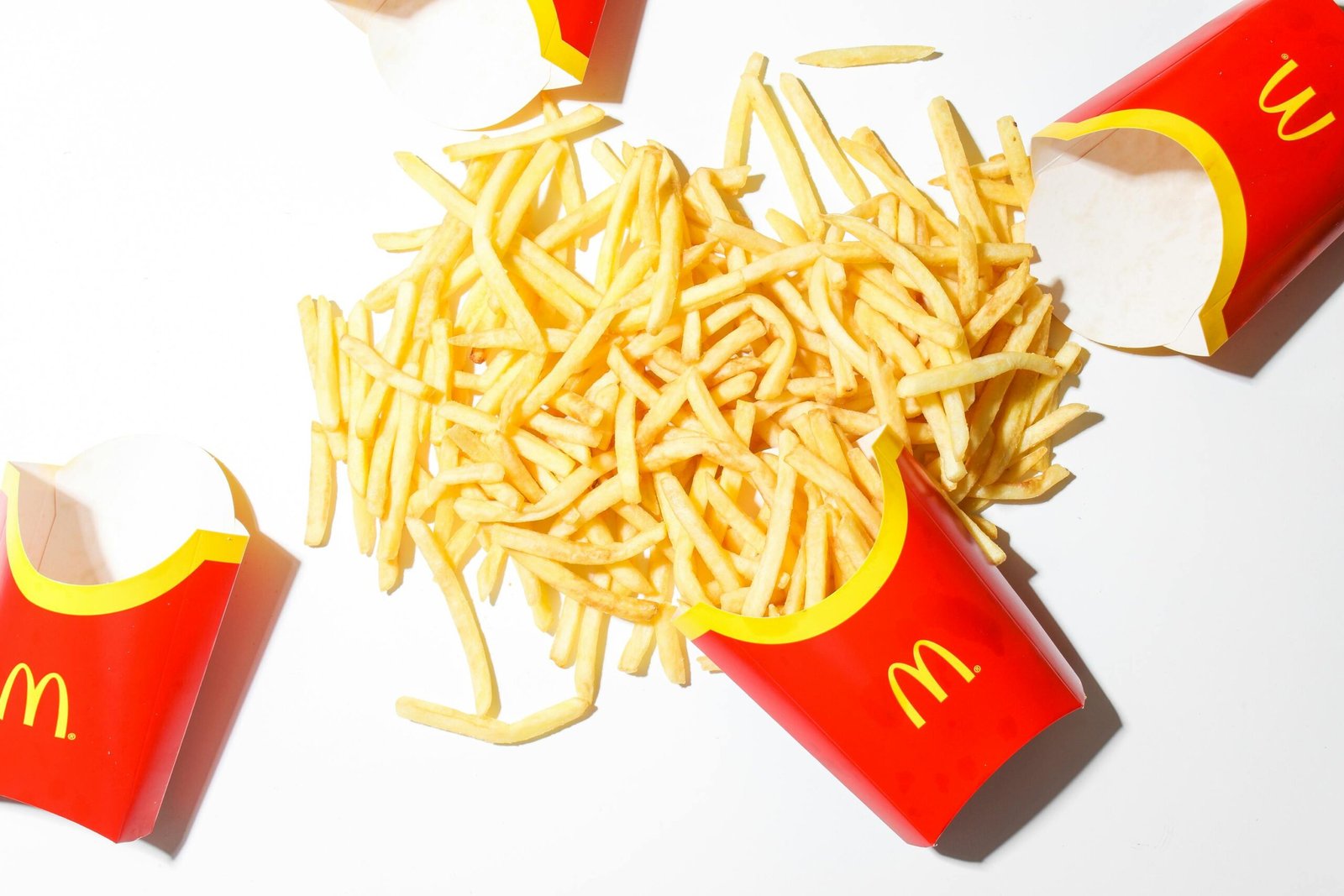
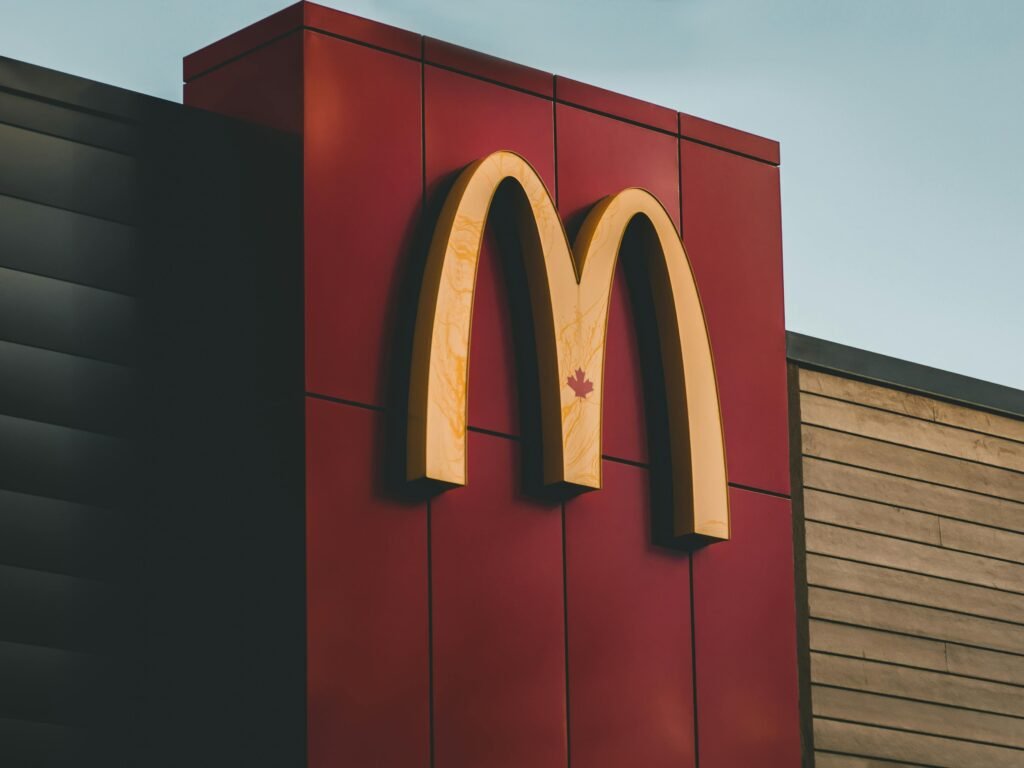
Strong branding is non-negotiable in fast food. The most successful brands use consistent visual systems that make them instantly recognizable. McDonald’s golden arches or KFC’s Colonel Sanders are examples of symbols that require no explanation.
Color selection is deliberate. Red and yellow dominate because they are associated with urgency, appetite stimulation, and positive emotions. Research published in the Journal of Consumer Psychology shows that warm colors can increase impulse purchases, particularly in food-related contexts.
Typography, packaging, and store design all reinforce the same identity. This consistency reduces cognitive effort for consumers. When people don’t have to think, they decide faster—and fast decisions drive fast food sales.
Pricing Strategies and Psychological Pricing
Pricing in fast food is engineered to influence perception rather than just reflect cost. One widely used tactic is anchoring, where a higher-priced item makes other options appear more affordable. Value meals are another example, bundling items to increase perceived savings.
A study by Harvard Business School found that bundling can increase average order value by up to 20–30%, particularly in quick-service environments. This explains why combo meals are so heavily promoted.
Another subtle tactic is charm pricing—ending prices in .99. While it seems minor, it consistently improves conversion rates because consumers perceive the price as significantly lower.
Menu Engineering Techniques
Menu design is often overlooked, but it plays a crucial role in sales. High-margin items are placed in visually prominent positions, often supported by appealing images and descriptive language.
Menus are structured to guide the eye. For example:
- Top-right sections often feature premium items.
- Center sections highlight bestsellers.
- Limited-time offers are visually isolated to draw attention.
This approach turns the menu into a silent salesperson, influencing choices without direct interaction.
Digital Transformation in Fast Food Marketing
Digital channels have become the primary driver of customer engagement. Mobile apps, social media, and delivery platforms are now central to marketing strategies.
According to McKinsey (2023), digital orders account for over 30% of fast food sales globally, a figure that continues to grow. This shift has changed how brands allocate budgets, with more resources going toward digital campaigns and less toward traditional media.
Social Media Campaigns
Social media allows brands to interact with customers in real time. Instead of broadcasting messages, companies participate in conversations. This shift has made tone and personality just as important as visuals.
Wendy’s, for example, built a strong online presence through humor and direct engagement. Its approach demonstrates that brand voice can be as influential as product quality in attracting younger audiences.
Influencer and Viral Marketing
Influencer collaborations create immediate visibility. When executed correctly, they combine reach with credibility. However, the key factor is alignment. A mismatch between brand and influencer can reduce authenticity and weaken impact.
Consumer Psychology Behind Fast Food Marketing
Understanding how people make decisions is central to fast food marketing. Most choices are made quickly, often driven by subconscious cues rather than deliberate analysis.
Emotional Triggers and Buying Behavior
Emotions drive action. Advertisements often highlight moments of enjoyment, connection, or comfort. These cues create associations that influence future decisions.
Urgency is another powerful trigger. Limited-time offers create a sense of scarcity, which increases perceived value. Behavioral economics research shows that scarcity can significantly increase conversion rates, particularly in low-cost, high-frequency purchases.
Color Psychology in Fast Food Branding
Color choices are rooted in research. Red increases heart rate, while yellow evokes optimism. Combined, they create a sense of excitement that aligns with the fast-paced nature of quick-service dining.
Data-Driven Marketing in the Fast Food Industry
Data has become a strategic asset. Every interaction—whether through an app, website, or in-store kiosk—generates insights.
Use of AI and Analytics
AI is used to predict demand, optimize pricing, and personalize recommendations. Some brands use dynamic menus that change based on factors like weather or time of day.
Personalization and Customer Targeting
Personalization improves efficiency. Instead of broad campaigns, brands deliver targeted offers based on behavior. This increases both engagement and conversion rates.
Real Data-Backed Case Study: McDonald’s “Famous Orders” Campaign
One of the most well-documented examples of successful fast food marketing is McDonald’s “Famous Orders” campaign, launched in 2020 with Travis Scott.
Key Results (Data-Backed):
- McDonald’s reported a 4.6% increase in U.S. same-store sales in Q3 2020 (McDonald’s Investor Report, 2020)
- The campaign caused shortages of key ingredients due to demand spikes.
- Mobile app downloads surged significantly during the campaign period.
Why It Worked
The campaign succeeded because it combined multiple elements:
- Cultural relevance: Travis Scott had a strong influence on younger audiences
- Simplicity: The meal was based on an existing order, making it easy to execute
- Digital amplification: Social media turned the campaign into a viral trend
This case shows how aligning with culture and leveraging digital platforms can produce measurable business outcomes.

Ethical Concerns and Challenges
Fast food marketing faces increasing scrutiny, particularly regarding health impacts. Rising obesity rates have led to calls for more responsible advertising.
Brands are responding by introducing healthier options and providing clearer nutritional information. However, balancing profitability with public health expectations remains complex.
Future Trends in Fast Food Marketing
Sustainability and technology are shaping the next phase. Consumers are paying closer attention to sourcing, packaging, and environmental impact.
Brands investing in eco-friendly practices and transparent communication are gaining trust. At the same time, AI and automation will continue to refine personalization and operational efficiency.
Conclusion
Fast food marketing combines speed, psychology, and data to influence decisions in seconds. Its effectiveness lies in precision—every color, price, and message is designed with intent. As technology evolves and consumer expectations shift, the brands that succeed will be those that adapt quickly while maintaining consistency and trust.
FAQs
1. What is fast food marketing?
It refers to strategies used by quick-service restaurants to promote products and drive sales through advertising, pricing, and branding techniques.
2. Why is psychology important in fast food marketing?
Because most purchase decisions are made quickly, psychological triggers like color, urgency, and emotion play a major role.
3. How do fast food brands use data?
They analyze customer behavior to personalize offers, optimize pricing, and improve marketing efficiency.
4. What is a real example of successful fast food marketing?
McDonald’s “Famous Orders” campaign increased sales and app engagement significantly through influencer collaboration.
5. What are future trends in fast food marketing?
Key trends include AI-driven personalization, sustainability, and increased use of digital platforms.
References
- Statista (2024) – Fast Food Advertising Spending in the U.S.
- McKinsey & Company (2023) – The Digital Transformation of the QSR Industry
- McDonald’s Corporation (2020) – Q3 Investor Report
Author Bio
Daniel Harper is an SEO strategist and content marketing specialist with over a decade of experience analyzing consumer behavior and digital trends. He has worked with global food and retail brands to optimize search visibility and conversion performance through data-driven content strategies. His expertise focuses on blending search engine optimization, psychology, and storytelling to create content that ranks and resonates.