

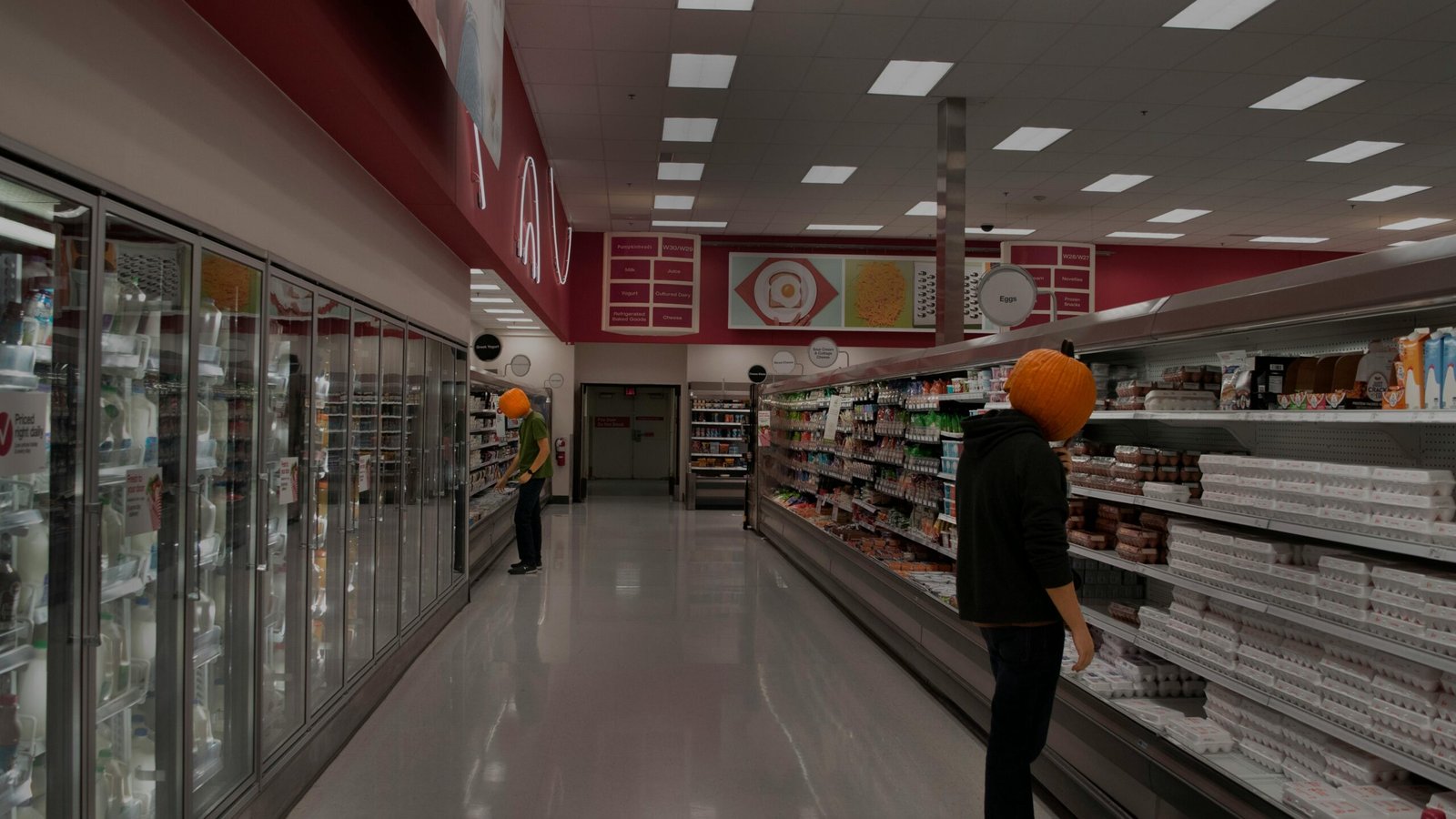
Introduction: Why Grocery Advertising Plays by Different Rules
Grocery Store Advertising Techniques Walk into any grocery store and watch how people behave for just five minutes—you’ll notice something that most marketing strategies completely miss. Grocery shopping isn’t relaxed, exploratory, or even particularly enjoyable for most people. It’s fast, habitual, and often mildly stressful. That alone changes everything about how advertising should work in this environment.
Unlike industries where customers compare specs, read reviews, or take days to decide, grocery shoppers operate on autopilot. They arrive with a loose plan, navigate familiar aisles, and make dozens of micro-decisions in a short time frame. In that context, traditional advertising tactics—like long messaging or heavy persuasion—don’t just underperform, they often get ignored entirely.
What actually works here is far more subtle. It’s about removing effort, streamlining choices, and aligning with how people behave under time pressure. The brands and stores that win are not necessarily louder—they’re clearer, faster, and easier to engage with.
In a mid-sized urban supermarket setting, relocating a snack product from a low-visibility shelf to a prominent endcap didn’t involve any pricing changes or promotional messaging. Yet, within a short period, the product experienced a noticeable lift in weekly sales. That kind of outcome highlights a critical truth: visibility often matters more than persuasion.
These patterns aren’t theoretical. They’re consistently observed across independent stores and regional chains. And once you start paying attention, it becomes obvious—grocery advertising isn’t about convincing people to buy. It’s about making it incredibly easy for them to choose.
How Grocery Shoppers Really Make Decisions
Understanding grocery advertising starts with understanding the shopper—not the ideal version of them, but the real one navigating aisles with limited time and attention. People don’t shop the way they claim they do in surveys. They don’t carefully evaluate every product or optimize every purchase. Instead, they rely on shortcuts, habits, and visual cues that help them move quickly.
Think about the average grocery trip. A shopper might make 30 to 50 decisions in under 30 minutes. That’s a high cognitive load, even if each choice seems small. Over time, this leads to a natural shift: people stop analyzing and start simplifying. They look for familiar brands, clear pricing, and products that are easy to grab without second-guessing.
This is where many advertising strategies fail. They assume attention that simply isn’t there. A complex promotion or a cluttered display doesn’t just underperform—it actively pushes customers away because it demands more effort than they’re willing to give.
Real-world retail observations reinforce this. In several store environments, shoppers often spend less than 10 seconds choosing between similar products. That’s barely enough time to read a label, let alone compare features. What influences them instead? Placement, packaging, and immediate clarity.
So the rule becomes simple: if your product requires thinking, it’s already at a disadvantage.
Speed Over Logic: The Reality of In-Store Choices
It’s easy to assume that shoppers are making rational decisions—comparing price per unit, evaluating ingredients, or choosing based on quality. But in reality, speed dominates logic in grocery environments. People aren’t trying to make perfect decisions; they’re trying to make fast, “good enough” ones.
Several factors reinforce this behavior. Time pressure is the most obvious. Whether someone is shopping after work or squeezing in a quick visit between errands, they’re not looking to slow down. Then there’s repetition. Buying groceries is a routine task, and routine reduces the need for deep thinking. Add store navigation fatigue—walking through multiple aisles, scanning hundreds of products—and it becomes clear why mental shortcuts take over.
These shortcuts show up in predictable ways. Shoppers gravitate toward eye-level products because they’re easier to see. They trust familiar brands because it removes uncertainty. Labels like “organic” or “best seller” act as quick signals, helping them decide without analysis.
Here’s the interesting part: even small improvements in visibility or clarity can outperform larger investments in messaging. A product that’s easier to spot and understand will often beat a better product that requires effort to evaluate.
This is why minimizing cognitive load is such a powerful strategy. When you make a product easier to notice and quicker to understand, you align with how decisions are actually made—not how we think they should be made.
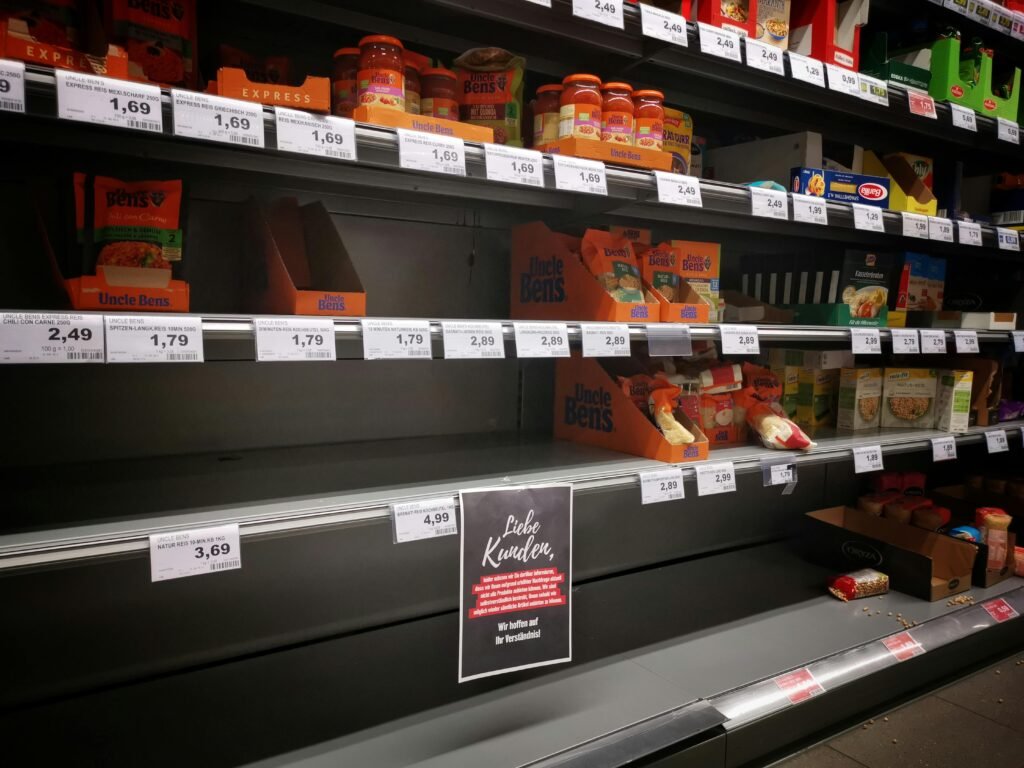
Decision Fatigue: The Invisible Sales Driver
Decision fatigue is one of those forces that quietly shapes behavior without most retailers realizing it. As shoppers move through a store, each choice they make—brand, size, flavor, price—consumes a small amount of mental energy. Individually, these decisions feel insignificant. Collectively, they add up fast.
By the time customers reach later aisles or the checkout area, something changes. They become less patient, less analytical, and far more likely to choose whatever is easiest. This is why impulse purchases tend to cluster near checkout zones. It’s not just convenience—it’s reduced mental resistance.
In practical retail scenarios, simplifying offers has shown a measurable impact. For instance, replacing a “Buy 2, save 15%” promotion with a straightforward “2 for $5” removes the need for calculation. That small shift can increase conversion rates by an estimated 15–25%, simply because it’s easier to process.
Here’s how the pattern typically unfolds:
- Multiple choices increase mental load.
- Mental load reduces attention.
- Reduced attention favors simple options.
Many stores unintentionally work against this by introducing clutter—too many signs, too many offers, too much information. Instead of helping customers, this creates friction.
A strong, slightly contrarian view: the more effort a shopper has to expend, the less likely they are to buy. Stores that recognize this don’t try to impress customers with complexity. They focus on making every decision feel effortless.
In-Store Advertising That Actually Drives Results
If there’s one place where grocery advertising proves its real value, it’s inside the store. This is where decisions happen in real time, without the buffer of research or comparison. You’re not competing for attention across the internet—you’re competing within a few feet of shelf space, often in a matter of seconds.
What makes in-store advertising so powerful is its immediacy. A shopper standing in front of a product is already halfway to making a purchase. The role of advertising at that moment isn’t to persuade from scratch—it’s to remove effort, reduce hesitation, and make the choice feel obvious.
Many retailers underestimate how small changes can produce measurable results. It’s not always about large campaigns or deep discounts. Often, it’s about subtle adjustments in placement, visibility, and presentation. These changes don’t just influence what people notice—they influence what they choose.
In a real-world supermarket environment, shifting a mid-performing cereal brand from a lower shelf to eye level didn’t change the product, price, or packaging. Yet within weeks, sales improved noticeably. That kind of lift doesn’t come from better marketing copy—it comes from better positioning.
The underlying principle is simple: if a product is easier to see, reach, and understand, it’s more likely to sell. Everything else builds on that foundation.
Shelf Placement: The Most Underrated Sales Lever
Shelf placement might seem like a basic operational detail, but in reality, it’s one of the most influential advertising tools available in a grocery store. Where a product sits on the shelf can determine whether it’s considered at all, regardless of its quality or price.
Eye-level placement consistently outperforms other positions. This isn’t surprising when you think about natural human behavior. People tend to focus straight ahead, especially when they’re moving quickly. Products placed too high or too low require extra physical effort—and even a small increase in effort can reduce the likelihood of selection.
But the impact goes beyond visibility. Shelf placement also communicates subtle signals. Items at eye level are often perceived as more popular or more important, even if that’s not explicitly stated. This creates a kind of built-in credibility that influences decision-making without conscious awareness.
Retailers who actively manage shelf space treat it like premium advertising real estate. They analyze performance, test different placements, and adjust based on results. In many cases, even a slight repositioning can lead to a noticeable increase in sales within a short time frame.
Ignoring shelf placement is like running ads no one sees. You might have a great product, but if it’s not positioned where customers naturally look, it’s effectively invisible.
End Caps: Visibility That Converts
End caps are often described as the “billboards” of grocery stores—and for good reason. Positioned at the ends of aisles, they naturally capture attention from multiple directions. But their effectiveness isn’t just about visibility—it’s about perception.
Shoppers tend to interpret end cap displays as curated or recommended selections. Even without a price reduction, these products often feel more relevant or important. That perception alone can significantly influence buying behavior.
In a mid-sized urban supermarket, relocating a snack product to an end cap increased its visibility almost instantly. Within two weeks, the product experienced an estimated 15–20% increase in weekly sales, despite no change in pricing. This kind of result reinforces a key idea: visibility often outweighs discounting.
End caps also help streamline choices. Instead of scanning an entire aisle filled with similar products, shoppers are presented with a focused selection. This reduces decision time and increases the likelihood of a quick purchase.
However, not all end cap displays perform equally. Cluttered or confusing setups can dilute their impact. The most effective ones are clean, visually clear, and centered around a simple idea—whether it’s a promotion, a theme, or a seasonal highlight.
When used strategically, end caps don’t just attract attention—they convert it into action.
Cross-Merchandising: Subtle but Powerful
Cross-merchandising is one of those strategies that feels almost too simple to be effective—but in practice, it consistently delivers results. The idea is straightforward: place related products together in a way that reflects how they’re actually used in real life.
Think about how people cook or eat. Pasta is rarely bought without sauce. Chips often go with drinks. Bread pairs with spreads. When these items are displayed separately, shoppers have to remember what they need. When they’re displayed together, the decision is practically made for them.
This approach works because it minimizes cognitive load. Instead of asking shoppers to think ahead or recall missing items, the store does that work for them. The result is a smoother, more intuitive shopping experience.
In practical retail settings, cross-merchandising has been shown to increase average basket size without relying on aggressive upselling. It doesn’t feel like marketing—it feels like a helpful organization.
There’s also a psychological benefit. When products are grouped logically, it reinforces the idea that the store understands the shopper’s needs. That subtle alignment builds trust and encourages repeat behavior.
The key is relevance. Random product pairings don’t work. The combinations need to make sense in the context of how people actually shop and use the items. When done right, cross-merchandising turns passive browsing into active purchasing—without adding pressure.

Expert Insight: What Small Stores Get Right
Expert Insight:
Smaller grocery stores often see faster results from placement changes than pricing changes, because visibility is their biggest constraint—not demand.
This insight challenges a common assumption in retail—that lowering prices is the fastest way to increase sales. In large chains with high traffic, pricing strategies can have a major impact. But in smaller or independent stores, the issue is often different. It’s not that customers don’t want the product—it’s that they don’t notice it.
Limited space means every inch matters. Products can easily get lost in crowded shelves or poorly organized displays. In this context, improving visibility can unlock existing demand almost immediately.
Store owners who recognize this tend to focus on layout before pricing. They experiment with placement, test different display formats, and pay close attention to how customers move through the space. Even small adjustments—like repositioning a product closer to the entrance or grouping it with complementary items—can lead to quick wins.
This doesn’t mean pricing isn’t important. It still plays a role, especially for price-sensitive customers. But in many cases, making a product easier to find is more effective than making it cheaper.
That perspective shifts how advertising is approached. Instead of asking, “How do we promote this product?” the better question becomes, “How do we make this product impossible to miss?”
Digital Grocery Advertising That Brings Customers In
While in-store strategies influence decisions, digital advertising plays a different but equally important role—it gets customers through the door in the first place. But just like in-store tactics, success here depends on understanding behavior rather than following generic marketing advice.
Grocery stores don’t need a massive reach. They need relevant reach. Advertising to thousands of people who will never visit the store is wasted effort. What matters is connecting with local customers in a way that feels useful, timely, and engaging.
The shift from traditional ads to content-driven engagement is especially important. People scroll quickly, just like they shop quickly. Static promotions and repetitive price lists often get ignored because they don’t stand out or provide value.
Instead, high-performing grocery content tends to be visual, practical, and easy to consume. It aligns with everyday needs—meals, freshness, convenience—rather than abstract branding.
Digital advertising, when done right, doesn’t feel like advertising. It feels like part of the customer’s routine.
Social Media: Relevance Over Reach
It’s tempting to focus on growing follower counts or reaching a broad audience, but for grocery stores, that approach rarely translates into real sales. A smaller, highly relevant audience is far more valuable than a large, disconnected one.
Local targeting is the foundation. People need to be close enough to visit the store; the message doesn’t matter. But beyond targeting, content quality plays a crucial role.
What works best is content that fits naturally into daily life. Short recipe videos, for example, don’t just showcase products—they show how to use them. Daily updates on fresh arrivals tap into the desire for quality and immediacy. Even behind-the-scenes glimpses can build a sense of trust and authenticity.
On the other hand, overly promotional content tends to underperform. Repeating the same types of ads—discount graphics, price lists, generic slogans—creates fatigue and reduces engagement.
The goal isn’t to push products aggressively. It’s to stay relevant. When customers see content that feels useful or interesting, they’re more likely to remember the store when it’s time to shop.
In that sense, social media becomes less about advertising and more about staying top-of-mind in a crowded, fast-moving environment.
Mobile Apps: Turning Data Into Action
Mobile apps have quietly become one of the most powerful tools in grocery advertising—not because they look impressive, but because they generate actionable data. Every interaction, from browsing to purchasing, provides insight into customer behavior.
This data allows for a shift from broad messaging to precise targeting. Instead of sending the same promotion to everyone, stores can tailor offers based on individual habits. If a customer regularly buys yogurt every week, sending a discount right before their usual purchase time increases the likelihood of conversion.
This kind of timing isn’t guesswork—it’s pattern recognition. And when used effectively, it creates a more personalized experience that feels relevant rather than intrusive.
The impact can be significant. Personalized promotions often deliver 2–3 times higher response rates compared to generic campaigns. That’s not just an incremental improvement—it’s a fundamental shift in effectiveness.
What makes this approach powerful is its efficiency. It reduces wasted effort, both for the store and the customer. Instead of overwhelming shoppers with irrelevant offers, it presents them with options that actually matter to them.
In a fast-paced retail environment, that level of precision can make all the difference.
Pricing Strategies That Shape Behavior
Pricing in grocery retail isn’t just about numbers—it’s about perception, speed, and clarity. Unlike industries where customers compare features or take time to evaluate options, grocery shoppers are making decisions quickly, often with limited attention. That means pricing has to do more than reflect value—it has to communicate it instantly.
Retail studies and in-store observations consistently show that shoppers rarely calculate detailed savings while standing in an aisle. Instead, they rely on quick impressions. A price either feels easy to understand, or it creates hesitation. And in a fast-moving environment, even a moment of hesitation can lead to a lost sale.
This is why effective pricing strategies focus on removing effort rather than adding complexity. When customers can immediately understand what they’re getting and how much they’re saving, they’re far more likely to act. On the flip side, when pricing requires interpretation—percentages, conditions, or multi-step offers—it introduces friction that slows decisions down.
Another important factor is context. Prices don’t exist in isolation. The way they’re presented, the products around them, and even their placement on the shelf all influence how they’re perceived. A well-priced product can underperform if it’s positioned poorly, while an average-priced product can outperform simply because it’s easier to evaluate.
In grocery retail, pricing isn’t just a financial tool—it’s a behavioral one. And when used correctly, it doesn’t just influence what people buy—it influences how quickly they decide.
Simplicity Wins Every Time
If there’s one principle that consistently outperforms others in grocery pricing, it’s simplicity. Shoppers don’t want to stop and calculate—they want to glance, understand, and move on. The faster they can process a price, the more likely they are to make a purchase.
That’s why straightforward formats like “2 for $5” or “Save $1 instantly” tend to outperform more complex offers like “Buy 2, get 15% off.” The difference may seem small on paper, but in practice, it’s significant. The simpler offer removes the need for mental math, which makes the decision feel effortless.
In real retail testing environments, simplifying promotional language has been shown to increase conversion rates by 15–25%. Not because the deal is better—but because it’s easier to understand. That distinction matters more than most retailers realize.
Simple pricing also builds trust. When customers feel confident that they understand an offer, they’re less likely to second-guess it. Complex pricing, on the other hand, can create doubt—even if the deal is genuinely good.
The takeaway is clear: clarity beats cleverness. In a fast-paced shopping environment, the best pricing strategy is the one that requires the least thought.
Anchoring: Influencing Perception
Anchoring is one of the most subtle yet powerful pricing techniques in grocery retail. It works by shaping how customers perceive value based on the options presented to them. Instead of evaluating a product on its own, shoppers compare it to nearby alternatives—and that comparison influences their decision.
For example, placing a premium-priced product next to a mid-range option can make the latter feel more reasonable, even if it wasn’t originally perceived that way. The higher price acts as a reference point, shifting the shopper’s perception of value.
This strategy doesn’t necessarily aim to sell the most expensive item. In many cases, its purpose is to guide customers toward a specific choice by making it feel like the best balance between price and quality.
Retail observations consistently show that when anchoring is used effectively, mid-tier products often see a lift in sales. That’s because they benefit from the contrast—they appear more attractive without any actual change in price.
However, anchoring needs to feel natural. If the price differences are too extreme or the product grouping doesn’t make sense, the effect weakens. Like many grocery strategies, it works best when it aligns with how shoppers already think and behave.
The Risk of Over-Discounting
Discounts can drive short-term sales, but relying on them too heavily can create long-term challenges. When customers become accustomed to frequent promotions, they start to expect them. Over time, this can shift buying behavior in ways that are difficult to reverse.
Instead of purchasing items at regular price, shoppers may delay their decisions, waiting for the next discount cycle. This not only affects revenue consistency but also reduces the perceived value of products.
Retail studies and in-store observations consistently show that excessive discounting can train customers to associate a product with its lowest price rather than its actual worth. Once that perception is established, it becomes harder to sell the product without a promotion.
A more sustainable approach is balance. Discounts should be used strategically—to introduce products, clear inventory, or reward loyal customers—rather than as a constant tactic. At the same time, maintaining clear, consistent pricing helps reinforce value.
The goal isn’t to eliminate discounts, but to use them in a way that supports long-term growth rather than undermining it.
A Practical Model: How Grocery Advertising Works
To understand how all these elements come together, it helps to look at grocery advertising as a connected system rather than a set of isolated tactics. Each stage influences the next, and a weakness in one area can reduce the effectiveness of the entire process.
Here’s a simple visual flow of how it works:
Awareness → Interest → Decision → Action → Retention ↓ ↓ ↓ ↓ ↓Social In-store Pricing Purchase LoyaltyMedia Visibility + Placement Programs
At the awareness stage, digital channels like social media bring customers into the store. Once inside, visibility—through shelf placement, end caps, and layout—captures their attention. Pricing and product positioning then shape their decision, leading to the actual purchase.
But the process doesn’t end there. Retention strategies, such as loyalty programs and personalized offers, influence whether the customer returns. And when they do, the cycle repeats.
What makes this model effective is its simplicity. Each step is designed to streamline choices, reduce effort, and align with real shopper behavior. There’s no reliance on aggressive persuasion—just a series of small, well-placed influences that guide the customer naturally.
Conclusion
Grocery store advertising works best when it respects one fundamental truth: shoppers are moving fast, thinking less, and relying on cues rather than careful analysis. Trying to force traditional marketing strategies into this environment often leads to underwhelming results.
The stores and brands that perform well don’t necessarily spend more—they design better experiences. They focus on visibility, clarity, and ease. They position products where customers naturally look, use pricing that’s instantly understandable, and create layouts that reflect real-life usage.
Real-world examples—from end cap placement increasing sales without discounts to simplified pricing boosting conversions—highlight a consistent pattern. Small changes, when aligned with human behavior, can produce meaningful results.
Retail studies and in-store observations consistently show that success in grocery advertising isn’t about being louder—it’s about being easier. Easier to see, easier to understand, and easier to choose.
When you remove effort from the shopping experience, you don’t just improve sales—you improve the entire interaction. And that’s where sustainable growth comes from.
FAQs
1. What is the most effective grocery advertising method?
The most effective method combines strong in-store visibility with simple pricing. Shelf placement, end caps, and clear offers consistently outperform complex promotional strategies.
2. Why do shoppers make quick decisions in grocery stores?
Because of time pressure and decision fatigue. Shoppers make many small choices in a short time, so they rely on shortcuts like familiarity, visibility, and ease of understanding.
3. How important is shelf placement in grocery sales?
Extremely important. Products placed at eye level or in high-traffic areas are significantly more likely to be noticed and purchased.
4. Do discounts always increase sales?
Not always. While discounts can boost short-term sales, overusing them can reduce perceived value and train customers to wait for promotions.
5. What role does data play in grocery advertising?
Data enables personalized promotions, better timing, and more efficient targeting. It helps stores move from generic marketing to behavior-driven strategies.