
When Your Marketing Budget Is Basically Coffee Money
Let’s be honest for a second.
low-budget social media marketing A lot of advice about social media marketing sounds like it’s written for companies with deep pockets and entire marketing departments. Paid ads. Influencer deals. Huge content teams.
Meanwhile, many small businesses and creators are sitting there thinking, “I’ve got $20 and a phone… now what?”
Here’s the thing, though. Social media was originally built for people—not giant corporations. And even now, a clever small brand can still outshine a big one.
Why? Because people respond to authenticity more than polished campaigns.
You don’t need fancy studios or five-figure ad budgets. What you need is consistency, creativity, and a few smart habits. None of them cost much money—just a bit of effort and curiosity.
So if your budget is tight, don’t panic. In some ways, that can actually push you to create better content.
Let me explain.
The Big Myth: You Need Money to Grow Online
Somewhere along the line, people started believing that social media success comes from spending big.
Sure, ads help. Influencers help. Paid campaigns definitely speed things up.
But they aren’t the whole story.
Scroll through social media, and you’ll see countless creators who built huge audiences from scratch—no advertising budget at all. A fitness coach sharing quick workout tips. A bakery is posting messy behind-the-scenes clips. A small clothing brand filming outfit ideas in a bedroom mirror.
What do they all have in common?
They post things that feel real.
Audiences today can smell overly polished marketing from a mile away. A casual video filmed on a phone often performs better than a professionally edited ad. Funny, right? But it’s true.
So instead of worrying about how much money you’re spending, ask a better question:
Does my content feel genuine?
If the answer is yes, you’re already ahead of many bigger brands.
Pick One Platform First (Yes, Just One)
Here’s a mistake many beginners make.
They try to be everywhere.
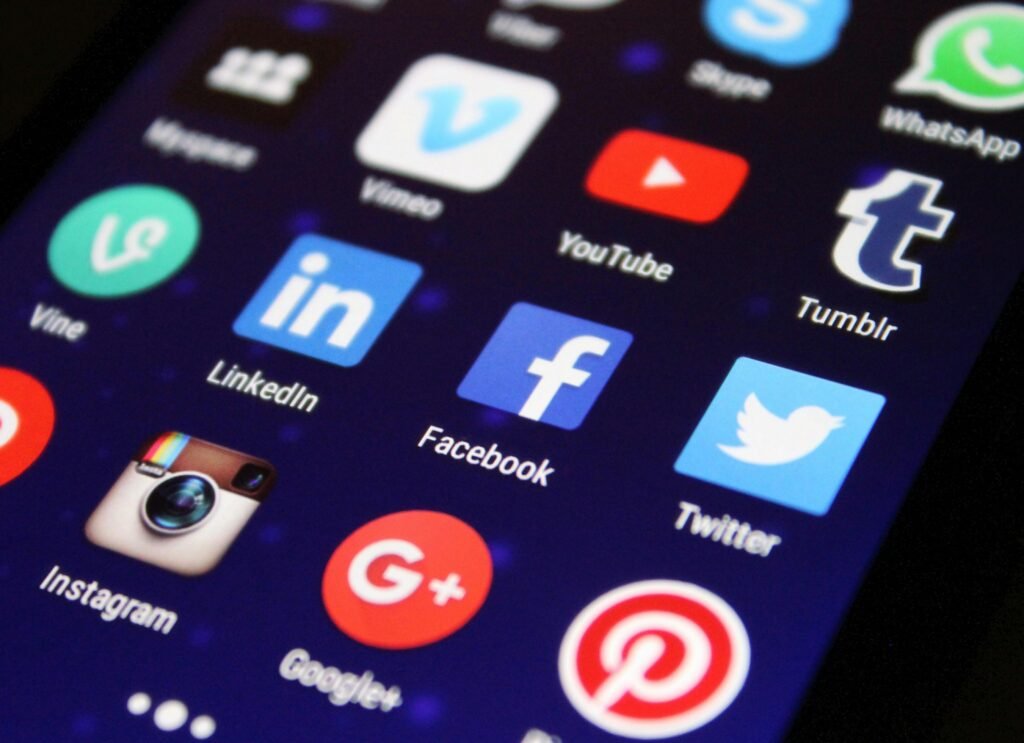
Instagram. TikTok. Facebook. LinkedIn. YouTube. Twitter. Pinterest. Threads. Maybe even Snapchat.
It sounds productive. But honestly, it’s exhausting.
Social media works better when you focus your energy. Choose one main platform and learn how it behaves.
Think of it like planting a garden. Watering one plant consistently works better than watering ten plants once every two weeks.
A few quick examples:
- TikTok works well for storytelling and short educational clips.
- Instagram favors visual content and lifestyle posts.
- LinkedIn offers professional tips and industry insights.
- YouTube Shorts rewards consistent short videos.
If your time is limited—and let’s face it, it usually is—start with the platform where your audience already hangs out.
Build traction there first. Expand later.
Content That Feels Human (Not Like an Advertisement)
People don’t open social media hoping to see advertisements. They open it to be entertained, informed, or distracted for a few minutes.
That means your content shouldn’t feel like a sales pitch every time.
Instead, mix things up. A little personality goes a long way.
Some ideas that work surprisingly well:
Behind-the-scenes moments
Show the messy parts of your work. Packing orders. Brainstorming ideas. Fixing mistakes.
It feels authentic.
Short tips
Quick lessons work beautifully online. A graphic designer might share “one typography mistake beginners make.” A chef might show a quick kitchen trick.
Helpful content spreads naturally.
Relatable experiences
You know those posts that make people think, “That’s exactly me”?
Those get shared constantly.
Storytelling
People remember stories far more than facts. Instead of saying “our product is great,” tell the story behind it.
Where did the idea come from? What problem were you trying to solve?
Stories stick.
Consistency Beats Fancy Campaigns
Here’s something people rarely mention.
Growth on social media often looks boring from the inside.
You post regularly. Maybe three or four times a week. Some posts do well. Others flop. You keep going anyway.
Then suddenly, months later, something clicks.
Consistency matters more than viral moments.
Think of it like going to the gym. One intense workout doesn’t change much. Showing up week after week does.
Try setting a realistic schedule you can actually maintain.
Maybe that’s:
- 3 posts per week
- 1 short video per day
- 5 thoughtful comments daily
Small actions add up over time.
Comments Are Your Hidden Growth Engine
Here’s a trick that costs absolutely nothing.
Engage with people in the comments.
Seriously.
When you reply to comments on your own posts, two things happen:
- The conversation becomes more visible to the algorithm.
- Followers feel heard and respected.
Even better—leave thoughtful comments on other creators’ posts in your niche.
Not spammy ones. Real comments.
Something like:
“This tip about lighting is gold. I struggled with that when I first started filming.”
Comments like that attract attention. People check your profile out of curiosity.
It’s slow growth, yes. But it’s a very real growth.
The “Borrowed Audience” Trick
Another clever move for small budgets? Collaborations.
Think about it. Every creator has their own audience. When two creators work together, those audiences mix.
That’s powerful.
You don’t need celebrity influencers. Micro-creators are often better partners anyway.
Ideas for collaboration:
- Joint livestreams
- Guest posts
- Co-created videos
- Social media challenges
- Podcast interviews
A fitness trainer and a nutrition coach might collaborate on a “7-day healthy habits challenge.”
Both audiences benefit. Both creators gain exposure.
Simple, right?
Free Tools That Make Life Much Easier
You don’t need expensive software to create good content. Plenty of free tools handle most tasks.
A few that marketers use constantly:
Canva
Perfect for simple graphics, thumbnails, and carousels. Even beginners can design something decent in minutes.
CapCut
Great for editing short videos. Many TikTok creators rely on it.
Buffer
Helpful for scheduling posts ahead of time.
ChatGPT
Useful for brainstorming captions or content ideas when your brain feels empty. (It happens to everyone.)
None of these tools requires a huge budget. Most offer free versions that work perfectly well for beginners.
Repurpose Like a Pro
Creating new content every day can feel overwhelming.
But here’s the trick: you don’t always need new ideas.
You can recycle good ones.
Imagine you create a helpful video explaining “3 mistakes beginners make with Instagram marketing.”
That single idea can become
- A TikTok video
- An Instagram carousel
- A Twitter thread
- A LinkedIn post
- A YouTube Short
One idea. Multiple formats.
Professional marketers do this constantly. It saves time and keeps your message consistent.
And honestly, most followers won’t even notice the repetition. Social feeds move too quickly.

Community Matters More Than Follower Count
It’s tempting to obsess over numbers.
10,000 followers. 50,000 followers. Maybe even 1 million.
But here’s the quiet truth many marketers learn eventually:
A small, loyal community often brings more value than a huge silent audience.
Imagine two accounts.
Account A has 200,000 followers but very little engagement.
Account B has 8,000 followers who regularly comment, share, and buy.
Which one is better for business?
Exactly.
So focus on connection. Ask questions. Reply to comments. Share user stories.
Treat your audience like a community—not just a number.
Tracking What Actually Works
Analytics can feel intimidating. Graphs, charts, percentages… It’s easy to get lost.
But you don’t need complicated data to improve your strategy.
Just watch a few basic signals:
Engagement
Likes, comments, and shares. These show whether people care about your content.
Reach
How many people saw the post?
Saves
This one matters more than people think. Saved posts often mean the content was useful.
After a few weeks, patterns appear.
Maybe your educational posts perform better than motivational ones. Maybe short videos beat static images.
Pay attention to those clues.
Then make more of what works.
A Small Budget Can Actually Be a Strength
Oddly enough, limited resources sometimes lead to better marketing.
When you don’t have money for flashy campaigns, you rely on creativity.
You experiment more.
You listen to your audience more carefully.
You learn what genuinely resonates.
And over time, those skills become incredibly valuable.
Big companies can throw money at problems. Small creators often build stronger relationships instead.
Final Thoughts: Small Budget, Big Possibilities
Growing on social media without a large budget isn’t magic. It takes patience, experimentation, and a bit of stubborn consistency.
But it’s absolutely possible.
Focus on simple habits:
- Post regularly
- Be human in your content.
- Engage with your audience.
- Collaborate with others
- Learn from your analytics.
None of these requires a huge investment.
Just time. Curiosity. And the willingness to keep showing up—even when growth feels slow.
Because here’s a funny thing about social media.
Sometimes the post that changes everything is the one you almost didn’t publish.
So go ahead—hit publish.