

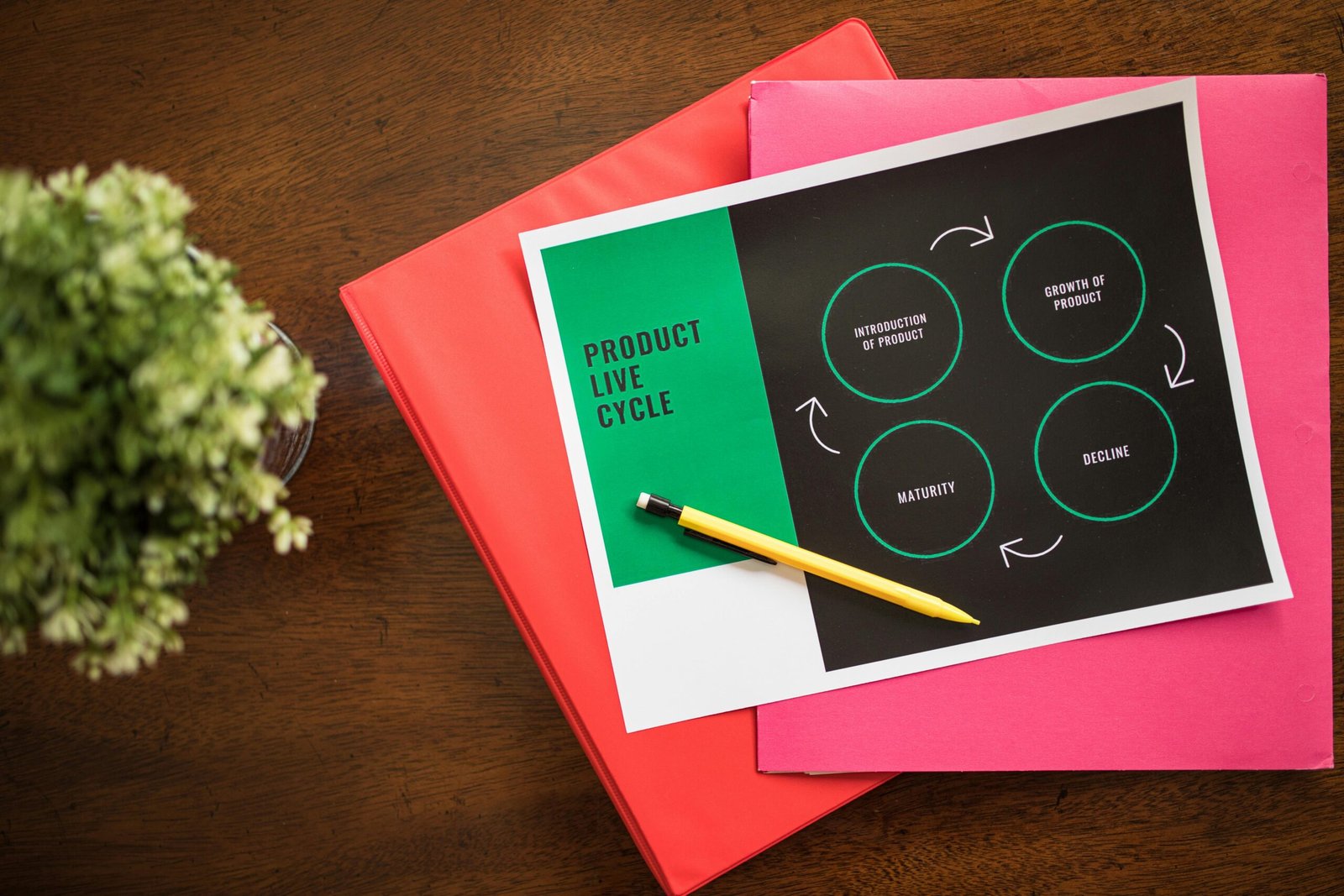
Product marketing is one of the most powerful growth engines behind modern businesses. Every successful company—from startups to billion-dollar tech giants—relies heavily on product marketing to transform an idea into something customers actually want to buy. Think about it for a moment: creating a great product alone does not guarantee success. Thousands of innovative products fail every year simply because they are not marketed correctly.
In today’s digital economy, product marketing has become even more important. Global advertising spending surpassed $1.1 trillion in 2024, with more than 73% of ad revenue coming from digital channels. (Amra and Elma LLC) This shift shows that businesses are investing heavily in strategies that connect products directly with customers online.
At its core, product marketing bridges the gap between product development, sales, and customer needs. It ensures that a product is not only built well but also positioned effectively in the market. This involves understanding the target audience, crafting persuasive messaging, launching products successfully, and continuously improving marketing performance.
The truth is simple: product marketing is the difference between a product that exists and a product that dominates the market.
What Is Product Marketing?
Simple Definition of Product Marketing
Product marketing is the process of bringing a product to market, promoting it, and ensuring customers understand its value. It involves defining the product’s positioning, identifying the target audience, creating messaging, and driving demand.
Think of product marketing as the storyteller of the product. Engineers build the product, designers make it beautiful, but product marketers explain why it matters to the customer.
A product marketer answers critical questions such as:
- Who is this product for?
- What problem does it solve?
- Why should customers choose it over competitors?
- How should we communicate its value?
Companies that master product marketing often dominate their industries. Whether it’s technology companies launching smartphones or startups introducing new SaaS platforms, effective product marketing ensures the right message reaches the right audience.
Interestingly, 72% of product marketers rely heavily on content marketing strategies to promote products. (SEO Sandwich) This shows that storytelling, education, and content creation are essential parts of modern product marketing.

Why Product Marketing Is Critical for Business Growth
Imagine building the world’s most advanced smartphone but never explaining its benefits to potential customers. Without marketing, even the best product remains invisible.
Product marketing drives growth in several ways:
First, it creates clear positioning. In competitive markets, customers are overwhelmed with choices. Effective product marketing helps brands stand out by clearly communicating what makes their product unique.
Second, it connects the product with customer needs. The best marketing strategies are rooted in understanding the audience’s problems. Product marketers spend significant time researching customer behavior and market trends.
Third, it supports sales teams. Sales representatives rely on product marketing materials such as case studies, product demos, and messaging frameworks to convince customers.
Finally, product marketing fuels demand. Studies show that product-focused social media posts generate 27% higher engagement compared to generic content. (SEO Sandwich) When done well, product marketing creates excitement, anticipation, and trust around a product.
Product Marketing vs Traditional Marketing
Key Differences Explained
While product marketing and traditional marketing are closely related, they focus on different aspects of business growth.
Traditional marketing often emphasizes brand awareness and large-scale advertising campaigns. Product marketing, on the other hand, focuses specifically on communicating the value of a specific product.
For example, a traditional marketing campaign might promote a company’s brand identity, while product marketing highlights how a particular product solves customer problems.
Another major difference lies in collaboration. Product marketing sits at the intersection of multiple departments—product management, marketing, sales, and customer success. This cross-functional role ensures that everyone in the company communicates the same value proposition.
Interestingly, industry research shows that 50% of product marketing leaders struggle with alignment between marketing and sales teams, which can slow down growth. (Gartner) This is why many companies now prioritize integrated go-to-market strategies.
Comparison Table: Product Marketing vs Marketing
| Feature | Product Marketing | Traditional Marketing |
| Primary Focus | Specific product value | Brand awareness |
| Goal | Drive product adoption | Increase brand visibility |
| Collaboration | Product, sales, marketing | Mostly marketing teams |
| Metrics | Adoption rate, retention | Impressions, reach |
| Strategy | Positioning and messaging | Advertising campaigns |
This distinction helps organizations create more focused strategies that drive measurable results.
The Product Marketing Lifecycle
Successful product marketing follows a structured lifecycle. This lifecycle ensures that every stage—from product development to customer adoption—is handled strategically.
Stage 1 – Market Research
Market research is the foundation of product marketing. Without understanding customers, companies risk building products nobody wants.
Product marketers analyze:
- Customer pain points
- Competitor offerings
- Market trends
- Pricing strategies
Modern research methods include customer interviews, surveys, analytics tools, and social media listening.
Today, 65% of consumers discover new products through social media, making digital insights extremely valuable for market research. (SEO Sandwich)
Understanding the market allows companies to identify opportunities and create products that truly resonate with customers.
Stage 2 – Positioning and Messaging
Once the market is understood, product marketers develop positioning and messaging strategies.
Positioning answers the question: Where does this product fit in the market?
Messaging answers the question: Why should customers care?
Great positioning makes the product memorable. It highlights the product’s unique value and differentiates it from competitors.
For example, when companies position their products as the “simplest solution,” the “most affordable option,” or the “premium choice,” they are shaping how customers perceive them.
Stage 3 – Product Launch
The product launch is one of the most exciting moments in product marketing. A successful launch can generate massive awareness and sales momentum.
Key launch strategies include:
- Pre-launch teasers
- Influencer partnerships
- Product demos
- Media coverage
- Social media campaigns
Research shows that 69% of consumers prefer early access or product trials before a full launch. (SEO Sandwich) This is why many companies use beta programs or limited releases.
Stage 4 – Growth and Optimization
After launch, product marketing focuses on growth.
This stage involves:
- Customer feedback analysis
- Feature updates
- Retention campaigns
- Referral programs
- Upselling strategies
Companies that implement strong post-launch strategies retain 25% more customers compared to those that don’t. (SEO Sandwitch)
Continuous improvement ensures that products remain competitive and relevant.
The Product Marketing Framework (Visual Diagram)
Below is a simple product marketing framework that many companies use.
PRODUCT MARKETING FRAMEWORK Market Research ↓ Customer Pain Points ↓ Product Positioning ↓ Messaging Strategy ↓ Product Launch ↓ Customer Acquisition ↓ Feedback & Iteration ↓ Product Growth
This framework illustrates how product marketing connects customer insights with product development and growth strategies.

Core Responsibilities of Product Marketing Managers
Product Marketing Managers (PMMs) play a critical role in modern companies. Their responsibilities often include:
- Market research
- Product positioning
- Messaging development
- Launch planning
- Sales enablement
- Customer insights
- Competitive analysis
Interestingly, the role of product marketing has grown significantly in recent years. The Product Marketing Manager position is among the fastest-growing marketing jobs, with strong demand across industries. (The Trust Agency)
Many companies now consider product marketing a strategic leadership function rather than just a promotional role.

Data-Driven Product Marketing Strategies
Content Marketing
Content marketing is one of the most effective tools for product promotion. Blogs, videos, webinars, and case studies help educate customers and build trust.
Studies show that 83% of customers prefer reading content to learn about products rather than seeing traditional advertisements. (SEO Sandwich)
Successful product marketers use content to demonstrate how their products solve real problems. Tutorials, comparisons, and customer stories are particularly powerful.
Social Media Marketing
Social media has become the most powerful discovery engine for products. Platforms like Instagram, TikTok, and YouTube allow brands to reach billions of potential customers.
More than 91% of brands use social media for product marketing, and 46% of consumers have purchased products after seeing them on social platforms. (SEO Sandwich)
Modern product marketing campaigns often combine social media content, influencer collaborations, and community engagement.
Influencer and Community Marketing
Influencer marketing continues to grow as a key product marketing strategy. However, trends are shifting toward authenticity and community engagement.
Recent industry analysis shows that peer recommendations and community interactions influence about 36% of product discovery. (Vogue)
Brands increasingly rely on user-generated content and community-driven marketing to build trust and credibility.
Real-World Product Marketing Examples
Example 1 – Apple iPhone Launch Strategy
Apple’s iPhone launches are legendary in the world of product marketing.
Every year, Apple creates massive anticipation through carefully planned product announcements, media coverage, and live launch events. These launches generate global attention and drive millions of sales within days.
Apple’s strategy relies on:
- Minimalistic messaging
- High-quality visuals
- Clear product benefits
- Emotional storytelling
The company focuses less on technical details and more on how the product improves everyday life.
Example 2 – Tesla’s Zero-Advertising Growth
Tesla is one of the most fascinating product marketing case studies.
Unlike traditional car companies, Tesla spends almost nothing on traditional advertising. Instead, the company relies on:
- Product innovation
- Viral social media content
- CEO visibility
- Customer advocacy
This approach turns customers into brand ambassadors and creates organic buzz around new products.

Example 3 – Airbnb Growth Strategy
Airbnb’s growth demonstrates the power of community-driven product marketing.
Instead of promoting hotels, Airbnb marketed the experience of living like a local. This emotional positioning transformed the company from a simple rental platform into a global travel brand.
Airbnb’s strategy included:
- Story-driven marketing campaigns
- Local experience highlights
- User-generated content
- Community engagement
The result was explosive growth and global brand recognition.
Product Marketing Channels That Drive Growth
Successful product marketing campaigns usually combine multiple channels.
The most effective channels include:
- Search engine optimization (SEO)
- Content marketing
- Social media
- Influencer marketing
- Paid advertising
- Email marketing
- Community building
Email marketing remains especially powerful, generating $36 to $40 in return for every $1 invested. (Amra and Elma LLC)
Combining multiple channels ensures that customers encounter the product message at different stages of their journey.
Step-by-Step Product Marketing Plan
A practical product marketing strategy typically follows these steps:
- Conduct market research
- Define the target audience.
- Create product positioning
- Develop a messaging framework.
- Plan product launch campaign
- Create marketing content
- Launch advertising and promotion.
- Measure performance metrics
- Optimize strategy based on feedback.
Each step builds upon the previous one, creating a cohesive marketing strategy.
Future Trends in Product Marketing
The future of product marketing will be shaped by technology, data, and personalization.
Artificial intelligence is already transforming marketing strategies by enabling personalized product recommendations and predictive analytics. AI-driven campaigns help marketers understand customer behavior and deliver highly relevant messages.
Another trend is experiential marketing. Many brands now combine online marketing with real-world experiences such as pop-up events and interactive product demonstrations. These experiences create emotional connections with customers.
Community-driven marketing is also growing rapidly. Brands that build loyal communities around their products often achieve higher retention and advocacy.
The companies that succeed in the future will be those that combine technology, storytelling, and customer insights into powerful marketing strategies.
Conclusion
Product marketing is the engine that transforms a product idea into a successful business. Without it, even the most innovative products struggle to gain traction in competitive markets.
From market research and positioning to launch campaigns and growth strategies, product marketing connects every stage of the product lifecycle. It ensures that companies not only build great products but also communicate their value effectively.
In the modern digital economy, product marketing has evolved into a sophisticated discipline driven by data, storytelling, and customer insights. Companies that master this discipline gain a powerful competitive advantage.
Whether you are launching a startup product or scaling an established brand, effective product marketing can be the difference between obscurity and market dominance.
FAQs
1. What does a product marketer do?
A product marketer researches customer needs, defines product positioning, creates messaging strategies, and plans product launches. Their goal is to connect products with the right audience and drive adoption.
2. What skills are required for product marketing?
Key skills include market research, communication, storytelling, analytics, strategic thinking, and collaboration across teams.
3. Is product marketing different from digital marketing?
Yes. Digital marketing focuses on online channels such as SEO and social media, while product marketing focuses specifically on promoting a particular product and its value proposition.
4. Why is product marketing important for startups?
Startups often operate in competitive markets with limited resources. Product marketing helps them clearly communicate their value and attract early customers.
5. What is the future of product marketing?
The future will include AI-driven personalization, community-based marketing, experiential campaigns, and data-driven decision making.