


Introduction
What Is Passive Income Many people trade hours for money. They wake early, work long, return home tired, then repeat the same cycle again. This path is common, yet it can feel like running on a wheel that never stops. Passive income offers a different route. It is not magic. It is not an instant treasure. It is a system where effort planted today may keep paying tomorrow.
Think of a tree. You water it, guard it, and wait. In the early days, there was no fruit. Later, branches bend with harvest. Passive income works in a similar manner. You build once, improve often, and collect rewards over time.
This guide explains what passive income means, why it matters, and how to build it in plain, easy English.
What Is Passive Income?
Passive income is money earned with limited daily labor after the first setup stage. You may still need maintenance, updates, or checks, but it does not demand constant clock-in work.
By contrast, active income comes from direct labor. If you stop working, income often stops too. A salary, hourly wage, freelance task, or day-rate contract fits this model.
Passive income can continue while you sleep, travel, study, or spend time with family.
Simple Examples
- Rent from the property
- Royalties from books or music
- Dividends from stocks
- Profit from digital products
- Earnings from affiliate websites
- Revenue from online courses
- Income from automated businesses
This does not mean “zero work.” It means “less work later.”
Why Passive Income Matters
1. More Freedom
Money linked only to hours can chain your schedule. Passive income can loosen that knot. You gain room to choose how you use time.
2. Extra Security
One income stream is fragile. If it cracks, stress rises fast. Multiple streams create a cushion.
3. Wealth Growth
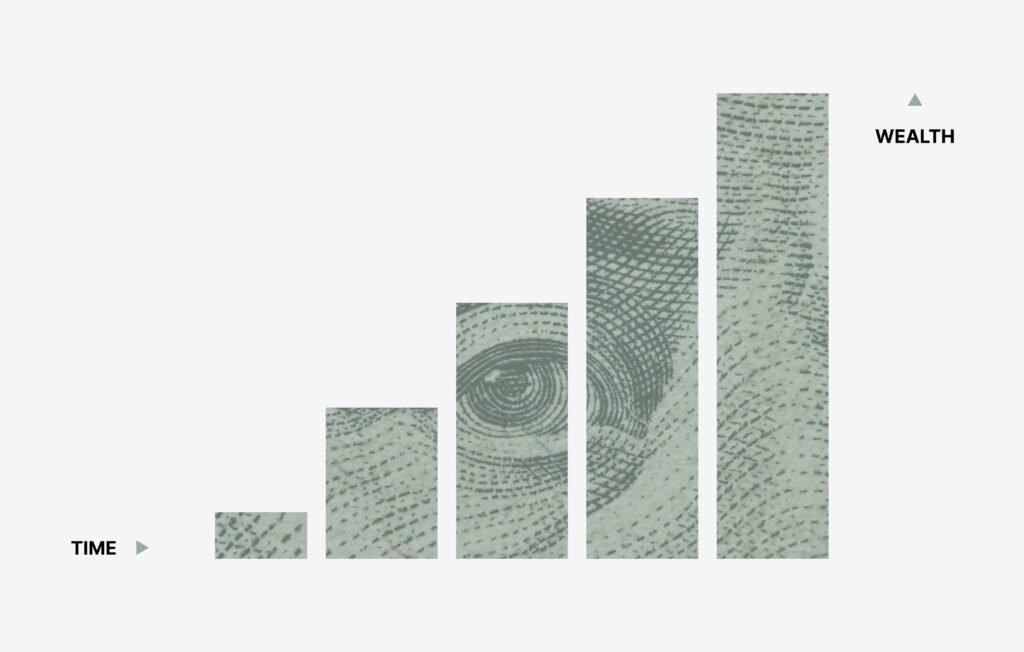
Extra earnings can be saved, invested, or reinvested. Small streams often become rivers over the years.
4. Lower Financial Fear
Bills feel lighter when income arrives from several directions.
Common Myths About Passive Income
Myth 1: It Is Fast Money
False. Most real passive income takes patience, planning, and consistency.
Myth 2: Only Rich People Can Start
Not true. Some methods begin with little money, only skill, and time.
Myth 3: It Needs No Effort
Wrong again. Setup may be intense. Maintenance is usually lighter, not absent.
Myth 4: It Is Too Late to Begin
There is no perfect season. Starting small today often beats waiting for a perfect tomorrow.
Main Types of Passive Income
1. Investment Income
Money placed into assets can generate returns.
Examples
- Dividend stocks
- Bonds
- Index funds
- Real estate investment trusts (REITs)
This path suits those who can invest cash and think long-term.
Strength
Low daily labor once invested.
Caution
Markets rise and fall. Patience is vital.
2. Property Income
Owning property may produce rent.
Examples
- Residential homes
- Apartments
- Vacation rentals
- Storage units
Strength
Monthly cash flow plus possible asset growth.
Caution
Repairs, vacancies, taxes, and tenant issues can appear.
3. Digital Asset Income
Create once, sell many times.
Examples
- E-books
- Templates
- Stock photos
- Printables
- Mobile apps
- Music beats
- Online courses
Strength
High scale potential.
Caution
Needs skill, marketing, and audience trust.
4. Content Income
Build an audience, then monetize attention.
Examples
- Blog with ads
- YouTube channel
- Newsletter sponsorships
- Podcast ads
Strength
Can grow large over time.
Caution
Slow at first. Requires regular content.

5. Automated Business Income
A business with systems, tools, or staff can run with reduced owner involvement.
Examples
- E-commerce store
- Vending machines
- Car wash
- Software subscription business
Strength
Strong upside.
Caution
Needs planning, capital, and systems.
How to Build Passive Income Step by Step
Step 1: Know Your Starting Point
Ask yourself:
- How much money can I invest?
- How many hours can I give weekly?
- What skills do I already have?
- Do I want slow safety or bold growth?
Your answers guide the best path.
Step 2: Pick One Lane First
Many beginners chase ten ideas and finish none. Better to choose one clear road.
Examples:
- Low cash, strong writing skills → blog or e-book
- Some savings, low time → index funds
- Design talent → templates or printables
- Teaching skill → course or coaching library
Focus beats frenzy.
Step 3: Build the Asset
This is the sweat stage.
You may need to:
- Write content
- Record videos
- Save investment capital
- Buy equipment
- Learn software
- Study markets
- Build a website
At first, results may seem tiny. Keep going.
Step 4: Automate What You Can
Use tools to reduce repetitive tasks.
Helpful Systems
- Auto-investing apps
- Email responders
- Scheduled content tools
- Payment automation
- Order fulfillment systems
- Accounting software
Automation turns chaos into rhythm.
Step 5: Reinvest Earnings
Early profits should often be seeds, not snacks.
Reinvest into:
- Better tools
- Marketing
- New assets
- Education
- Outsourcing tasks
This compounds growth.
Best Passive Income Ideas for Beginners
1. Dividend Index Funds
Buy broad funds that may pay dividends over time. Good for patient builders.
2. Sell an E-book
Solve one problem clearly. A short, useful guide can outperform a long, dull book.
3. Start a Niche Blog
Choose one topic: fitness, travel, finance, pets, gardening, or study tips.
4. Create Printable Products
Budget sheets, planners, habit trackers, wedding templates.
5. Online Course
Teach language basics, software skills, design, cooking, music, or exam prep.
6. Affiliate Website
Recommend tools or products honestly and earn commissions when buyers purchase.
Mistakes to Avoid
Chasing Glitter
If it sounds too easy, inspect carefully. Fast-money promises often hide traps.
Quitting Too Early
Many quit in month two, just before progress begins.
Ignoring Quality
Low-grade content, weak products, and lazy service rarely last.
No Reinvestment
Spending every dollar slows momentum.
Depending on One Stream
Diversify with time.
Realistic Timeline
Passive income rarely blooms overnight.
1 to 3 Months
Learning, setup, small output.
3 to 12 Months
Some traction. First sales, first dividends, first audience growth.
1 to 3 Years
Systems strengthen. Income may become meaningful.
3+ Years
Compounding can become powerful.
Time is often the hidden engine.
How Much Money Do You Need?
Not every model needs large capital.
Start With Little Money
- Blogging
- E-books
- Freelance skills turned the course.
- Printables
- YouTube content
Medium Capital
- Dividend investing
- Small e-commerce systems
Larger Capital
- Rental property
- Buying businesses
- Larger portfolios
Money helps, but skill and consistency matter too.
Mindset for Success
Think Like a Builder
Builders create assets. Consumers only buy them.
Love Patience
Slow growth is still growth.
Keep Learning
Markets shift. Platforms change. Skills age. Stay sharp.
Stay Honest
Trust builds income higher than tricks ever will.
A Simple 12-Month Plan
Month 1–2
Choose one income path. Learn the basics.
Month 3–4
Build the first product or first investment routine.
Month 5–6
Launch publicly. Improve weak spots.
Month 7–9
Add systems. Study results.
Month 10–12
Scale winners. Remove waste.
One year of steady action can alter many future years.
Final Thoughts
Passive income is not a shortcut. It is a crafted machine built piece by piece. At first, it may whisper. Later, it may speak loudly. The secret is not genius. It is repetition, useful work, wise patience, and reinvestment.
Begin small. Begin messy. Begin now.
A single stream may look tiny today, yet rivers often start as narrow threads of water.