


Why Your Website Is Not Getting Traffic There’s a peculiar kind of silence that settles over a neglected website. No clicks, no comments, no conversions—just a digital void where activity should be. You may have invested hours crafting pages, polishing visuals, even tweaking headlines with surgical precision. Yet, the numbers remain stubbornly unimpressed. Why?
The truth is rarely singular. A traffic drought is often the offspring of several quiet missteps rather than one catastrophic failure. Let’s unravel the hidden culprits—and more importantly—map out how to revive your site from obscurity into motion.
1. Your Website Is Invisible to Search Engines
Imagine opening a shop in a city but forgetting to put it on the map. That’s precisely what happens when your website isn’t optimized for search engines.
Search engines are not mind readers; they rely on structured signals. If your content lacks strategic keywords, proper indexing, or metadata, it essentially whispers into a storm.
How to Fix It:
Start by conducting keyword reconnaissance. Seek out phrases your audience actually types—not what you assume they type. Then, weave those phrases naturally into your titles, headers, and content.
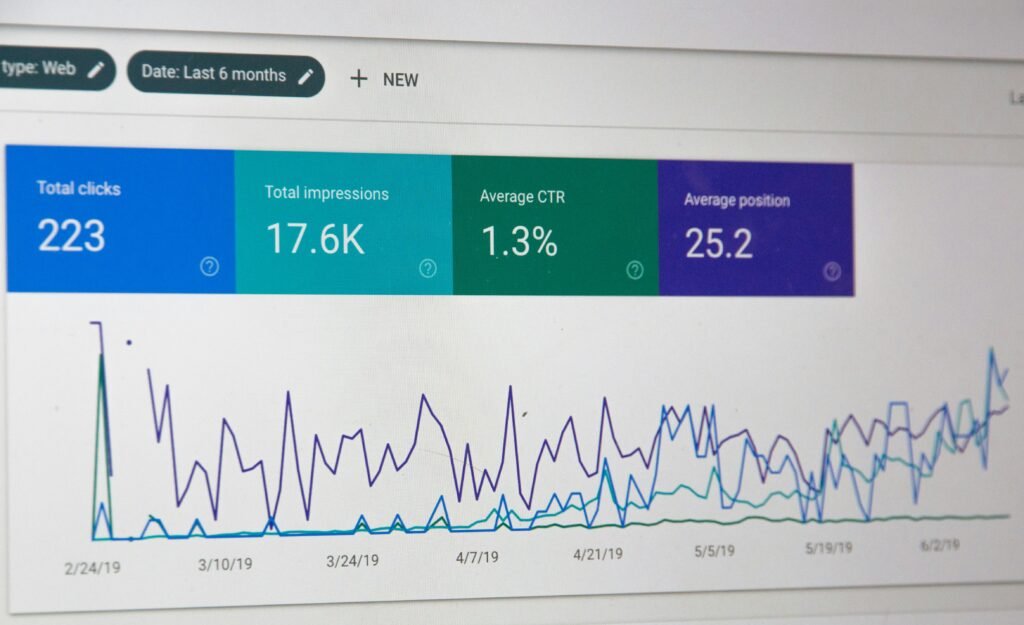
Ensure your site is indexed. A quick check in Google Search Console can reveal whether your pages are even being acknowledged. If they’re not, submit a sitemap and correct crawl issues immediately.
2. Your Content Feels Like Echoes, Not Value
A website bloated with generic content is like a library filled with blank pages. It exists, but it doesn’t matter.
If your articles merely rehash what already exists—without insight, personality, or clarity—readers won’t linger. Worse, search engines will quietly demote your pages into digital obscurity.
How to Fix It:
Craft content that answers real questions with depth. Offer perspective, not repetition. Use examples, stories, or unexpected analogies. Make your reader feel as though they’ve discovered something worth keeping.
Consistency matters too. One brilliant article per year won’t move the needle. Publish regularly, and ensure each piece carries weight.
3. Your Website Loads Like It’s Stuck in Time
Speed isn’t a luxury; it’s a baseline expectation. If your website hesitates, stalls, or drags its feet, visitors will abandon it before it even fully appears.
A delay of a few seconds may not sound dramatic, yet it’s often the difference between engagement and exit.
How to Fix It:
Compress images without sacrificing clarity. Minimize unnecessary scripts. Choose reliable hosting instead of the cheapest option available.
Tools like PageSpeed Insights can expose what’s slowing you down. Treat those suggestions not as optional, but essential.

4. Your Design Repels Instead of Invites
First impressions on the internet are ruthlessly swift. If your website looks cluttered, outdated, or confusing, visitors won’t explore—they’ll escape.
Design is not just aesthetics; it’s navigation, readability, and emotional response stitched together.
How to Fix It:
Adopt a clean, breathable layout. Use whitespace generously. Ensure text is legible across devices. Simplify navigation so users don’t feel like they’re solving a maze.
And yes—mobile optimization is non-negotiable. A site that struggles on smartphones is quietly sabotaging itself.
5. You’re Not Promoting Your Content
Publishing content without promotion is like whispering into an empty canyon and expecting applause.
Traffic rarely arrives uninvited. Even remarkable content needs amplification.
How to Fix It:
Share your work across platforms where your audience actually spends time—whether that’s social media, forums, or email newsletters.
Engage in communities. Don’t just drop links; participate in conversations. Build familiarity before expecting clicks.
6. Your SEO Strategy Is Either Outdated or Nonexistent
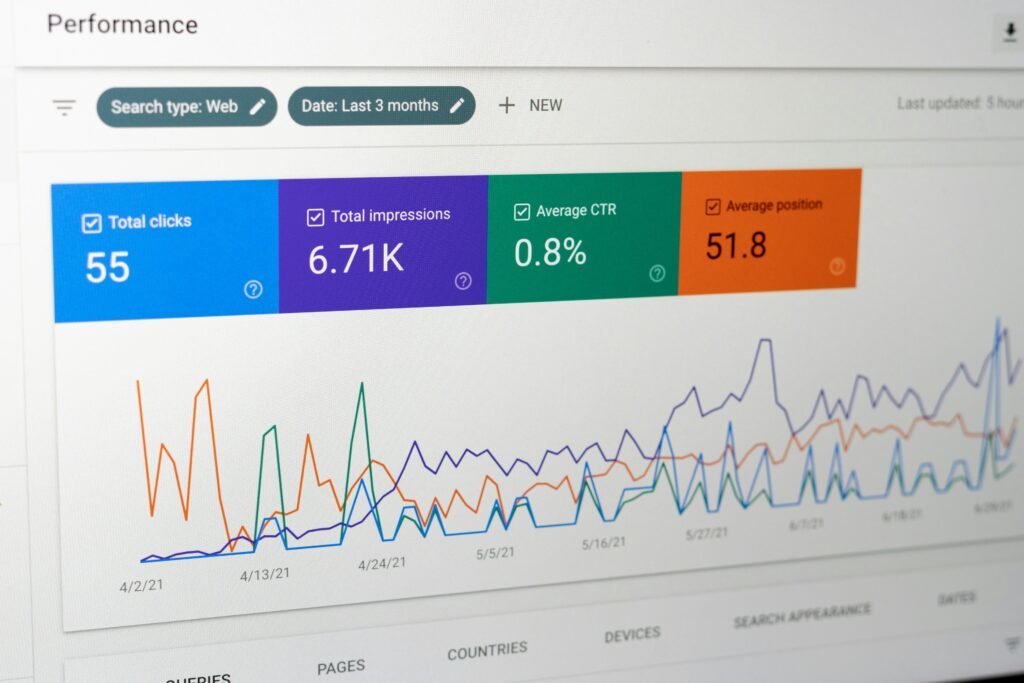
Search engine optimization is not a one-time ritual; it’s an evolving discipline. If your approach relies on tactics from years ago—keyword stuffing, shallow backlinks—it may be doing more harm than good.
How to Fix It:
Focus on modern SEO principles: user intent, content quality, and authority.
Build backlinks organically by creating content worth referencing. Collaborate with other creators. Write guest posts that genuinely contribute value rather than merely exist for links.
7. You Don’t Understand Your Audience
Traffic stagnates when content misses its mark. If you don’t know who you’re speaking to, your message dissolves into irrelevance.
How to Fix It:
Define your audience with precision. What problems do they face? What language do they use? What keeps them searching late at night?
Use analytics tools to observe behavior—what pages they visit, how long they stay, where they leave. Let data refine your instincts.
8. Your Headlines Fail to Spark Curiosity
A weak headline is like a locked door with no key. Even the most valuable content inside remains untouched.
How to Fix It:
Write headlines that provoke curiosity, promise clarity, or offer a tangible benefit. Avoid bland phrasing. Experiment with variations and track which ones resonate.
A subtle shift in wording can transform indifference into intrigue.

9. You Lack Patience (and Persistence)
Perhaps the most underestimated obstacle: unrealistic expectations.
Traffic growth is rarely immediate. It behaves more like a slow-burning ember than a sudden blaze.
How to Fix It:
Commit to the long game. Continue refining, publishing, and promoting. Monitor progress, but don’t obsess over daily fluctuations.
Momentum builds quietly—until one day, it doesn’t feel quiet anymore.
Final Thoughts
A website without traffic is not a failure—it’s a signal. A whisper urging you to recalibrate, rethink, and reengage.
Visibility is not granted; it’s cultivated. Each improvement—whether technical, creative, or strategic—adds another thread to the web that connects you with your audience.
So, if your site feels like it’s speaking into silence, don’t abandon it. Listen closely. The silence is telling you exactly what needs to change.